
Emergency 24/7 Stump Grinding & Storm Root Removal — Charlotte, NC
TL;DR: We provide 24/7 emergency stump grinding and uprooted storm root ball removal across Charlotte, NC following severe thunderstorm or hurricane wind events. Equipped with heavy-duty track machinery, we safely reduce hazardous root balls blocking driveways, fence lines, or access corridors with same-day priority dispatch. We supply itemized receipts for insurance claims.
What Is Emergency Storm Stump Removal?
Definition: Emergency stump removal is a rapid-response arborist procedure that grinds and neutralizes uprooted tree root balls torn out of wet soil during high-wind storms, eliminating fall hazards and clearing blocked access ways within hours of the damage event.
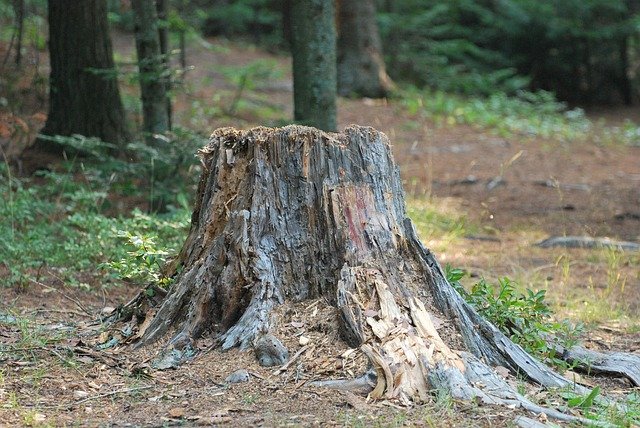
Charlotte, NC sits in a meteorologically active zone prone to severe summer afternoon thunderstorms, tropical storm remnants pushing inland from the Atlantic coast, and occasional winter ice storms that snap mature tree crowns and topple root systems weakened by saturated red clay. Mecklenburg County averages 7 to 10 significant wind events annually exceeding 50 mph gusts — sufficient to topple any tree with root rot, prior drought stress, or construction-damaged root zones.
When high winds blow over a mature Willow Oak, Loblolly Pine, or Sweetgum in Charlotte’s residential neighborhoods, the entire root plate tears violently out of the wet red clay, lifting a massive inverted root ball 8 to 14 feet in height and weighing several tons. This vertical root mass is mechanically dangerous — it remains under extreme stored tension from the weight of the trunk and canopy pinning it. Root balls can snap backward without warning when the trunk weight is redistributed, creating a deadly compression-spring effect.
Left unaddressed, an uprooted storm root ball presents multiple compounding hazards: it blocks driveways and garages, prevents emergency vehicle access, damages fencing, destabilizes adjacent soil, and creates a nesting environment for yellowjackets and copperhead snakes within days. Charlotte city code requires removal of storm-fallen trees blocking right-of-way access within 48 hours.
Our 24/7 Priority Emergency Response Capability

We maintain 24/7 emergency dispatch capability across Mecklenburg County because storm events don’t respect business hours. After a significant weather event — particularly the fast-moving squall lines that sweep through Charlotte from the southwest between May and September — our phones begin ringing within the hour. We triage incoming calls by severity: stumps blocking emergency vehicle access and driveways get first priority, followed by stumps posing active structural threats to buildings, and then aesthetic or non-urgent removal requests.
Emergency response timelines in Charlotte depend on weather event scale. Following an isolated single-property storm event, our typical dispatch is 1 to 3 hours. Following a wide-area event affecting dozens of properties — such as a tropical storm remnant or a derecho — priority emergency jobs are typically completed within 4 to 8 hours, with all emergency calls addressed within 24 hours.
What Emergency Dispatch Includes
- Same-day priority dispatch for stumps blocking driveways, garage access, or emergency corridors.
- Uprooted root ball tensioning assessment by a trained operator before any grinding begins — ensuring no snap-back risk during work.
- Full root ball grinding to below grade using heavy-duty equipment capable of processing root masses up to 6 feet in diameter.
- Site cleanup and debris management — wood chip mulch distributed or hauled depending on property conditions.
- Itemized invoice with before-and-after photographs suitable for homeowners insurance storm damage claims.
- NC811 emergency utility coordination when root balls have entangled or may threaten underground utilities.
Which Trees Fail Most Often During Charlotte Storms?
Understanding which trees are most storm-vulnerable helps Charlotte homeowners make proactive decisions before an emergency occurs. Based on our emergency response history across Mecklenburg County, these species account for the majority of emergency stump calls:
Loblolly Pine (Pinus taeda): The most common emergency call in Charlotte. Loblolly Pines grow quickly to 80–100 feet but develop shallow, wide root plates that topple in saturated red clay during wind events. Neighborhoods with dense pine stands — Steele Creek, Pineville, and southwest Mecklenburg — generate the most pine storm calls.
Willow Oak (Quercus phellos): Charlotte’s signature street tree is deceptively fragile. Willow Oaks are frequently over-planted along narrow utility corridors where pavement and hardscape restrict root spread, creating shallow, stressed root systems. The heavy crown acts as a wind sail during summer storms, and the compromised roots provide insufficient anchoring. Myers Park, Dilworth, and Cotswold see significant Willow Oak failures annually.
Sweetgum (Liquidambar styraciflua): Common in Charlotte’s older residential neighborhoods, Sweetgums produce thick surface root systems that are prone to lifting when trunk weight becomes excessive. Ice storms are particularly damaging — the spiky gumball-laden canopy accumulates ice weight rapidly, snapping entire crowns or toppling the root plate.
Bradford Pear (Pyrus calleryana): Aggressively planted throughout Charlotte from the 1980s through 2000s, Bradford Pears are structurally deficient by design — their narrow branch angles create included bark that splits under wind and ice load. Most Bradford Pear emergencies involve multi-trunk splitting rather than full toppling, but root grinding is often necessary after crews remove split trunks.
Homeowners Insurance & Storm Stump Removal in Charlotte

Whether homeowners insurance covers stump removal after a storm depends on one critical factor: whether the fallen tree damaged a covered structure. North Carolina homeowners insurance policies (standard HO-3 form) typically cover the cost of removing a tree or stump when it has struck the dwelling, an attached garage, a fence, a detached structure, or a driveway. If the tree fell in an open yard without striking any structure, most policies cover debris removal only up to a sub-limit — typically $500 to $1,000 per event.
We provide detailed itemized invoices describing the work performed, equipment used, labor hours, and disposal methods. We include GPS-tagged before-and-after photographs of the damaged property and the completed work site. This documentation package is exactly what insurance adjusters require to process storm damage claims. We have worked with State Farm, Allstate, USAA, Erie, and Nationwide adjusters serving the Charlotte metro area and understand their documentation requirements.
If you are unsure whether your specific situation is covered, contact your insurance agent before authorizing work. We can wait up to 24 hours on non-critical jobs for adjuster authorization. For stumps blocking driveway access or posing active safety risks, we recommend proceeding with emergency removal and filing the claim immediately with our documentation package.
Emergency Stump Removal — Frequently Asked Questions
How fast can emergency stump grinding crews dispatch in Charlotte?
Emergency crews typically dispatch within 1 to 3 hours for isolated events in Charlotte, NC. After wide-area storm events affecting multiple neighborhoods, priority hazardous jobs (blocking driveway access, utility entanglement) are addressed within 4 to 8 hours, with all emergency calls completed within 24 hours.
Are uprooted storm root balls dangerous to approach?
Yes — uprooted root balls are under extreme stored tension from the pinned trunk and canopy weight. They can snap backward violently when the load is redistributed. Keep people and vehicles clear of the snap-back zone (roughly the height of the trunk in all directions) until a trained operator has assessed and secured the mass before grinding begins.
Does homeowners insurance cover emergency stump removal in Charlotte?
Generally yes, when the fallen tree has struck a covered structure (house, garage, fence, or driveway). We provide itemized invoices and before-and-after photographs for insurance claims. If the tree fell in an open area without hitting a structure, coverage is typically limited to a $500–$1,000 debris removal sub-limit under standard NC HO-3 policies.
What if the root ball is tangled in utility lines?
Stop immediately and do not approach. Call us at (704) 247-0917 and also contact Duke Energy (1-800-777-9898) or Piedmont Natural Gas (1-800-752-7504) directly. We coordinate with utility companies to safely de-energize and clear lines before any grinding work begins near energized conductors.
How much does emergency stump removal cost compared to standard service?
Emergency after-hours dispatch (evenings and weekends) carries a $75–$150 priority surcharge above standard per-inch rates. Daytime weekend emergency calls during business hours are charged at standard rates. We provide transparent pricing before beginning any work — no surprise fees on the invoice.
Can you remove an uprooted root ball the same day as the storm?
Yes, for single-property events. Call our dispatch line at (704) 247-0917 as soon as the storm passes and the immediate weather threat is over. We assess by photo and dispatch accordingly. During wide-area weather events affecting dozens of Charlotte properties simultaneously, same-day service is prioritized for jobs with active safety hazards.
Need Immediate Storm Response in Charlotte?
Call our 24/7 emergency dispatch line now. Real person answers — not voicemail.